The Secret to a Long-Lasting Car: Essential Maintenance Tips
Essential Car Maintenance Tips to Extend Vehicle Lifespan
Your car is one of your most valuable assets, and keeping it in peak condition requires consistent maintenance. While modern vehicles are built for longevity, neglecting basic care can lead to premature wear, costly repairs, and breakdowns. A well-maintained car not only lasts longer but also provides better fuel efficiency, improved safety, and a higher resale value.
Why Regular Maintenance is Crucial for Car Longevity
Routine maintenance isn’t just about preventing breakdowns—it helps keep your car running smoothly, enhances fuel efficiency, and maintains its resale value. Ignoring maintenance schedules can lead to major mechanical failures, reduced performance, and expensive repairs.
Key Benefits of Preventative Car Maintenance:
✅ Extends engine and transmission life
✅ Improves fuel efficiency and performance
✅ Prevents costly breakdowns and repairs
✅ Enhances overall driving experience and safety
To maintain your car’s exterior and paint quality, explore our cut and polish services for long-term protection.
Essential Maintenance Tips for a Longer-Lasting Vehicle
1. Follow a Regular Oil Change Schedule
Your car’s engine oil lubricates internal components and prevents excessive wear. Over time, oil breaks down and loses its effectiveness, leading to engine sludge and increased friction.
- Change oil every 5,000 to 10,000 km (depending on the vehicle).
- Use high-quality synthetic oil for better lubrication and engine longevity.
- Check oil levels monthly to avoid running on low oil, which can cause serious damage.
Skipping oil changes can lead to major engine damage and costly repairs—a mistake that can be easily avoided.
2. Keep Your Cooling System in Check
The cooling system regulates engine temperature and prevents overheating, which can crack the engine block and damage gaskets.
✔ Regularly check coolant levels and top up when necessary.
✔ Flush the coolant system every 40,000 km to prevent rust and blockages.
✔ Inspect the radiator, hoses, and thermostat for leaks or wear.
Overheating can cause catastrophic engine failure, so never ignore coolant-related issues.
3. Check and Maintain Your Brakes
Your braking system is essential for both safety and vehicle longevity.
- Replace brake pads every 40,000–50,000 km, or sooner if worn.
- Flush and replace brake fluid every 2 years to prevent moisture build-up.
- Listen for squealing or grinding noises, which indicate worn-out pads.
If you drive a high-performance vehicle, expert brake caliper servicing ensures precise braking and long-lasting safety.
4. Rotate and Align Your Tires
Uneven tire wear can lead to poor fuel economy, unstable handling, and premature suspension damage.
✔ Rotate tires every 10,000 km to ensure even tread wear.
✔ Check tire pressure weekly to improve fuel efficiency.
✔ Align wheels every 20,000 km to prevent steering and suspension issues.
Proper tire care saves fuel, enhances grip, and improves overall driving stability.
5. Inspect the Timing Belt & Replace It on Schedule
A timing belt keeps your engine’s components synchronized. If it snaps while driving, it can cause complete engine failure.
- Replace the timing belt every 100,000 km or as per manufacturer guidelines.
- Look for cracks, fraying, or worn teeth on the belt.
- Replace the water pump when changing the timing belt for better cooling efficiency.
Ignoring a worn timing belt can cost thousands in engine repairs, making it one of the most critical maintenance tasks.
Warning Signs That Your Car Needs Immediate Maintenance
🚨 Unusual Engine Noises – Knocking, rattling, or ticking sounds indicate worn components.
🚨 Dashboard Warning Lights – Never ignore the check engine, battery, or oil pressure lights.
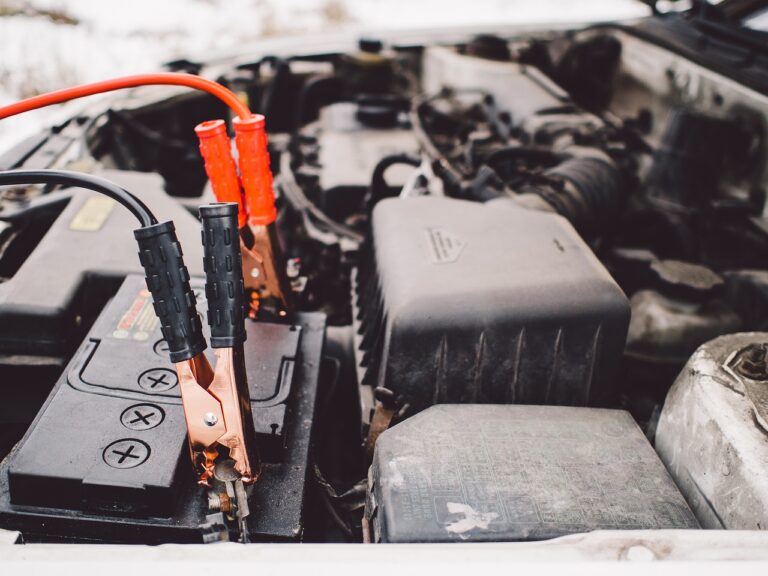
🚨 Difficulty Starting the Car – Could indicate a weak battery or fuel system issue.
🚨 Visible Oil Leaks – Oil stains under your car suggest a leak that can lead to serious damage.
🚨 Reduced Fuel Efficiency – Sudden drops in mileage may indicate engine inefficiencies.
For professional diagnostics and repairs, a European auto repair specialist can identify and fix issues before they escalate.
FAQs About Car Maintenance and Longevity
1. How often should I get my car serviced?
Most vehicles require servicing every 10,000 to 15,000 km, depending on the manufacturer.
2. What’s the most expensive car repair caused by poor maintenance?
A blown head gasket or engine failure due to neglected oil changes can cost thousands to fix.
3. Can preventative maintenance improve resale value?
Yes! A well-maintained car attracts higher resale prices and ensures a better return on investment.
4. Should I use synthetic oil instead of conventional oil?
Yes, synthetic oil lasts longer and provides better lubrication and engine protection.
5. What are the best ways to protect my car’s exterior?
Regular washing, waxing, and professional detailing help prevent paint damage and rust. For added protection, explore cut and polish services.
Conclusion
Your car’s lifespan depends on regular maintenance, early problem detection, and quality servicing. From oil changes and tire rotations to timing belt replacements and coolant system care, every maintenance step plays a role in keeping your car running for years to come.