
How to Choose the Right Battery for Your Vehicle
Introduction
Choosing the right battery for your vehicle is essential for ensuring reliable performance and longevity. With various options available, from AGM batteries to lithium batteries, it’s crucial to understand which type best suits your car’s needs. The wrong choice can lead to performance issues, frequent replacements, and unexpected breakdowns.
In this guide, we’ll explore the different battery types, the key features to look for, and tips to extend your battery’s lifespan.
Understanding Different Types of Car Batteries
1. Lead-Acid Batteries
🔹 Affordable and widely used in older vehicles.
🔹 Requires regular maintenance and water top-ups.
🔹 Suitable for standard vehicles without high electrical demands.
2. AGM Batteries
🔹 More durable and efficient than traditional lead-acid batteries.
🔹 Maintenance-free and spill-proof.
🔹 Ideal for modern vehicles with advanced electrical systems.
3. Lithium Batteries
🔹 Lightweight, long-lasting, and highly efficient.
🔹 Faster charging compared to AGM and lead-acid batteries.
🔹 Best for high-performance and electric vehicles.
4. Deep Cycle Batteries
🔹 Designed for vehicles with heavy electrical loads (e.g., RVs, boats, off-road vehicles).
🔹 Provides a steady supply of power over an extended period.
🔹 Perfect for vehicles with frequent accessory usage.
Key Factors to Consider When Choosing a Car Battery
✅ Vehicle Compatibility
Always check your vehicle manual to determine the correct battery type, size, and specifications. Using an incompatible battery can lead to poor performance and potential damage.
✅ Cold Cranking Amps (CCA)
If you live in a cold climate, opt for a battery with a higher CCA rating to ensure reliable starts in low temperatures.
✅ Reserve Capacity (RC)
RC indicates how long a battery can provide power if the alternator fails. A higher RC rating is crucial for vehicles with extra electrical accessories, such as GPS, stereo systems, and dash cams.
✅ Battery Lifespan & Warranty
Investing in a battery with a longer lifespan and a solid manufacturer warranty can save you money over time. Lithium batteries generally last longer than traditional AGM batteries.
✅ Maintenance Requirements
- AGM and lithium batteries are maintenance-free and have a longer lifespan.
- Lead-acid batteries require periodic water top-ups and corrosion prevention.
How to Extend the Life of Your Car Battery
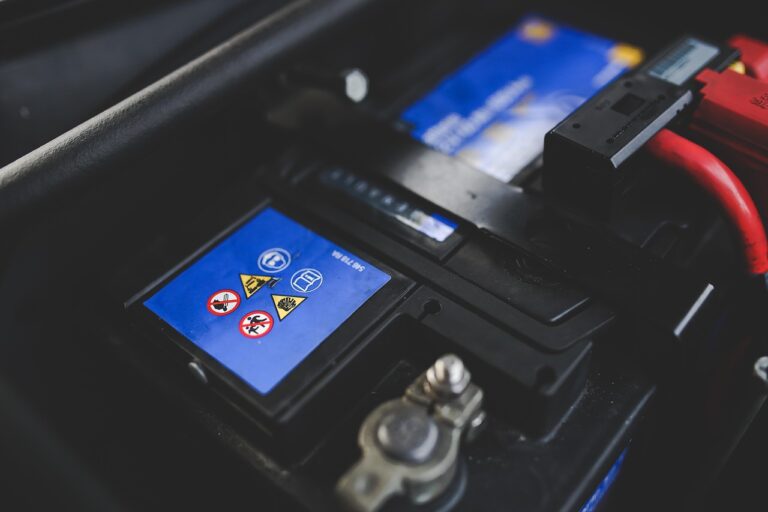
- Regularly inspect battery terminals for corrosion and clean them if needed.
- Avoid frequent short trips that don’t allow the battery to recharge properly.
- Use a quality battery charger like an AGM battery charger to maintain optimal charge levels.
- Store your vehicle properly if not in use for extended periods.
Frequently Asked Questions (FAQs)
1. How do I know when my car battery needs replacing?
Signs of a failing car battery include:
- Difficulty starting your car.
- Dim headlights and interior lights.
- Clicking sound when turning the key.
- Battery warning light appearing on the dashboard.
2. Which type of car battery lasts the longest?
Lithium batteries typically have the longest lifespan, lasting up to 10 years, while AGM batteries last around 4-7 years. Traditional lead-acid batteries usually last between 3-5 years.
3. What is the best car battery for cold weather?
Batteries with a high Cold Cranking Amps (CCA) rating are best for cold climates. AGM and lithium batteries tend to perform better in cold conditions compared to standard lead-acid batteries.
4. Can I replace my car battery myself?
Yes, but you need to:
- Ensure the new battery matches the vehicle’s specifications.
- Disconnect the negative terminal first, then the positive.
- Remove the old battery, install the new one, and reconnect terminals in reverse order.
If you’re unsure, it’s best to have a professional install it for you.
5. How often should I check my car battery?
It’s recommended to check your battery every 3-6 months for signs of wear, corrosion, and proper voltage levels.
Conclusion
Choosing the right battery for your vehicle is crucial for maintaining reliability and performance. Factors like battery type, Cold Cranking Amps (CCA), Reserve Capacity (RC), and maintenance requirements all play a role in ensuring long-term efficiency.
By selecting a high-quality battery suited to your car’s needs, you can avoid unexpected breakdowns, improve electrical performance, and extend the lifespan of your vehicle’s power system. Regular maintenance and proper charging habits will further enhance battery longevity, keeping your car running smoothly for years to come.