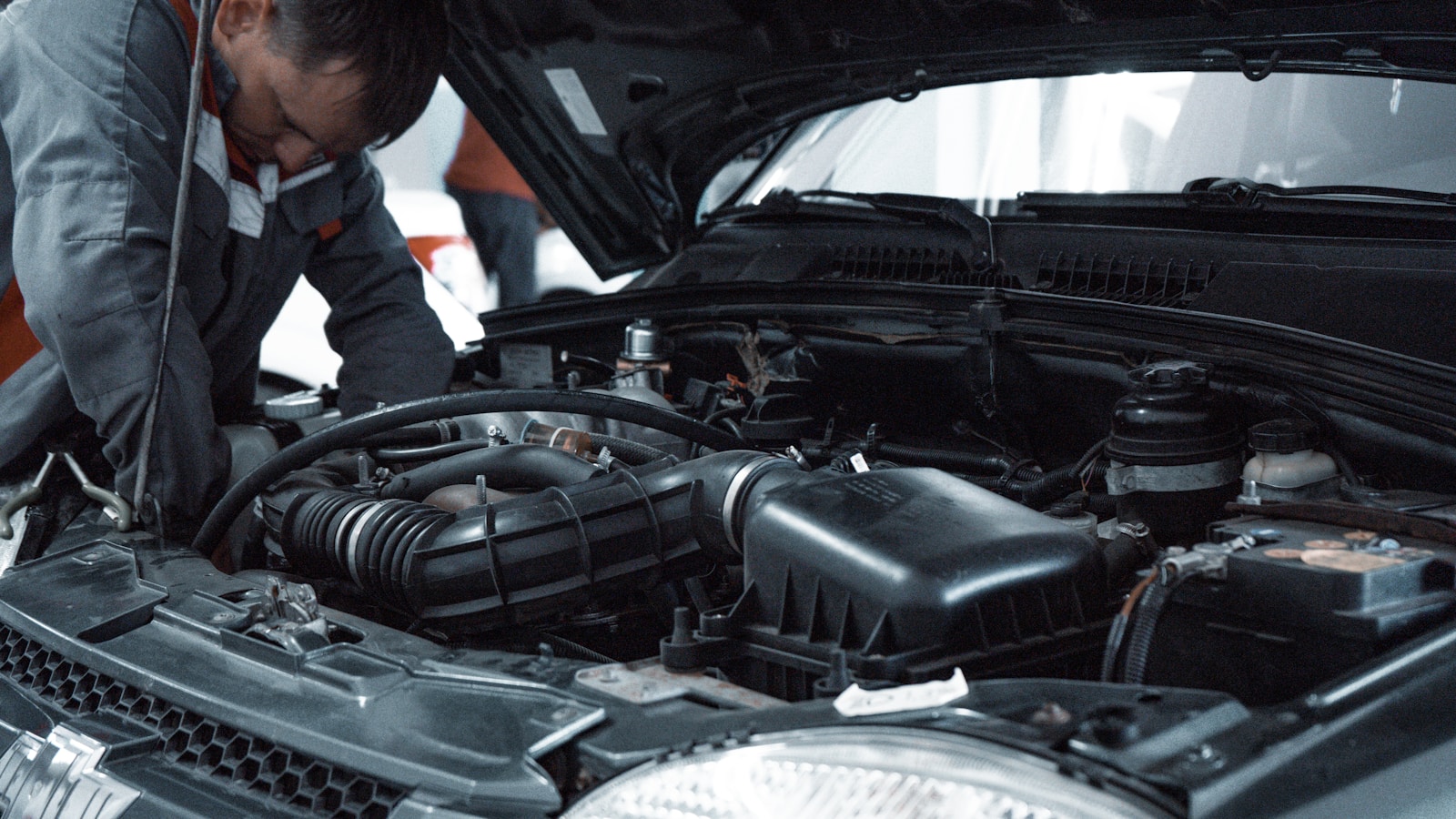
Top 3 Maintenance Mistakes Car Owners Make and How to Avoid Them
Regular car maintenance is essential for ensuring your vehicle’s longevity, performance, and safety. However, many car owners unknowingly make mistakes that can lead to costly repairs or even safety hazards. Recognising these common pitfalls and learning how to avoid them can save you time, money, and stress in the long run.
In this blog, we’ll explore the top three maintenance mistakes car owners make and provide practical tips to keep your vehicle in excellent condition.
1. Neglecting Regular Oil Changes
Why It’s a Mistake
Oil is the lifeblood of your car’s engine. It lubricates moving parts, reduces friction, and helps regulate engine temperature. Over time, oil becomes contaminated with dirt and debris, reducing its effectiveness. Skipping oil changes can lead to engine wear, overheating, and even complete engine failure.
How to Avoid It
- Follow the Manufacturer’s Recommendations: Check your car’s owner’s manual for the recommended oil change intervals. For most vehicles, this is every 10,000–15,000 km or every 6–12 months, depending on your driving habits.
- Use the Right Oil: Ensure you’re using the correct type of oil for your engine. Using low-quality or incorrect oil can cause long-term damage.
- Monitor Oil Levels: Regularly check your oil levels and top up if necessary to prevent running low between changes.
For professional assistance with oil changes and other essential services, visit Euro Auto Service for expert car care.
2. Ignoring Tire Maintenance
Why It’s a Mistake
Your tires are the only point of contact between your car and the road. Neglecting tire care can lead to uneven wear, reduced fuel efficiency, poor handling, and even blowouts. Underinflated or overinflated tires also increase the risk of accidents.
How to Avoid It
- Check Tire Pressure Regularly: Use a tire pressure gauge to ensure your tires are inflated to the manufacturer-recommended levels. Check at least once a month and before long trips.
- Rotate Tires: Regularly rotating your tires ensures even wear, extending their lifespan. Most experts recommend rotating tires every 10,000 km.
- Inspect for Damage: Look for signs of wear, punctures, or cracks. Replace tires if the tread depth falls below 1.6 mm, as required by law in many regions.
- Align and Balance: Have your wheels aligned and balanced periodically to prevent uneven wear and improve fuel efficiency.
3. Overlooking Brake Maintenance
Why It’s a Mistake
Brakes are one of the most critical safety features of your vehicle. Ignoring brake maintenance can lead to reduced stopping power, longer braking distances, and increased risk of accidents. Worn-out brake pads can also damage other components, such as rotors, leading to expensive repairs.
How to Avoid It
- Pay Attention to Warning Signs: Squealing, grinding noises, or a spongy brake pedal are all signs that your brakes need attention.
- Schedule Regular Inspections: Have your brakes checked during routine servicing. Most manufacturers recommend inspecting the brake system every 20,000 km.
- Replace Components as Needed: Replace brake pads and rotors promptly when they show signs of wear. Delaying replacement can lead to further damage and higher repair costs.
- Use Quality Parts: Invest in high-quality brake pads and components to ensure long-lasting performance and safety.
Bonus Tips for Avoiding Maintenance Mistakes
1. Don’t Ignore Warning Lights
Dashboard warning lights are your car’s way of alerting you to potential problems. Whether it’s the check engine light, tire pressure warning, or battery alert, address these issues promptly to avoid further complications.
2. Stick to a Maintenance Schedule
Follow your car’s maintenance schedule for oil changes, inspections, and part replacements. Regular upkeep reduces the risk of unexpected breakdowns and keeps your vehicle running efficiently.
3. Keep Maintenance Records
Maintaining a log of all services and repairs can help you track your car’s history, identify recurring issues, and provide reassurance to potential buyers when selling your car.
FAQs About Car Maintenance
Q: How often should I rotate my tires?
Tires should be rotated approximately every 10,000 km to ensure even wear and prolong their lifespan.
Q: What happens if I skip an oil change?
Skipping an oil change can lead to increased engine wear, overheating, and, in severe cases, complete engine failure.
Q: How do I know if my brakes need servicing?
Signs include squealing or grinding noises, a spongy brake pedal, or longer stopping distances. Have your brakes inspected at the first sign of trouble.
Q: Why is tire pressure important?
Proper tire pressure improves fuel efficiency, handling, and safety. Underinflated tires can lead to blowouts, while overinflated tires wear unevenly.
Why Routine Maintenance Matters
Routine car maintenance is the foundation of a reliable and safe driving experience. Beyond improving performance, it prevents costly repairs and enhances your vehicle’s lifespan. Skipping regular upkeep can lead to major issues that might have been easily avoidable.
To explore expert advice on why routine maintenance is so essential, check out our detailed guide on Why Routine Car Maintenance is Essential: Tips from Experts.
Conclusion
Avoiding these common car maintenance mistakes is key to ensuring your vehicle’s reliability, safety, and longevity. Regular oil changes, tire care, and brake maintenance can prevent costly repairs and provide peace of mind on the road. For expert advice and professional services, visit Euro Auto Service. By staying proactive and following expert advice, you can keep your car running smoothly for years to come.