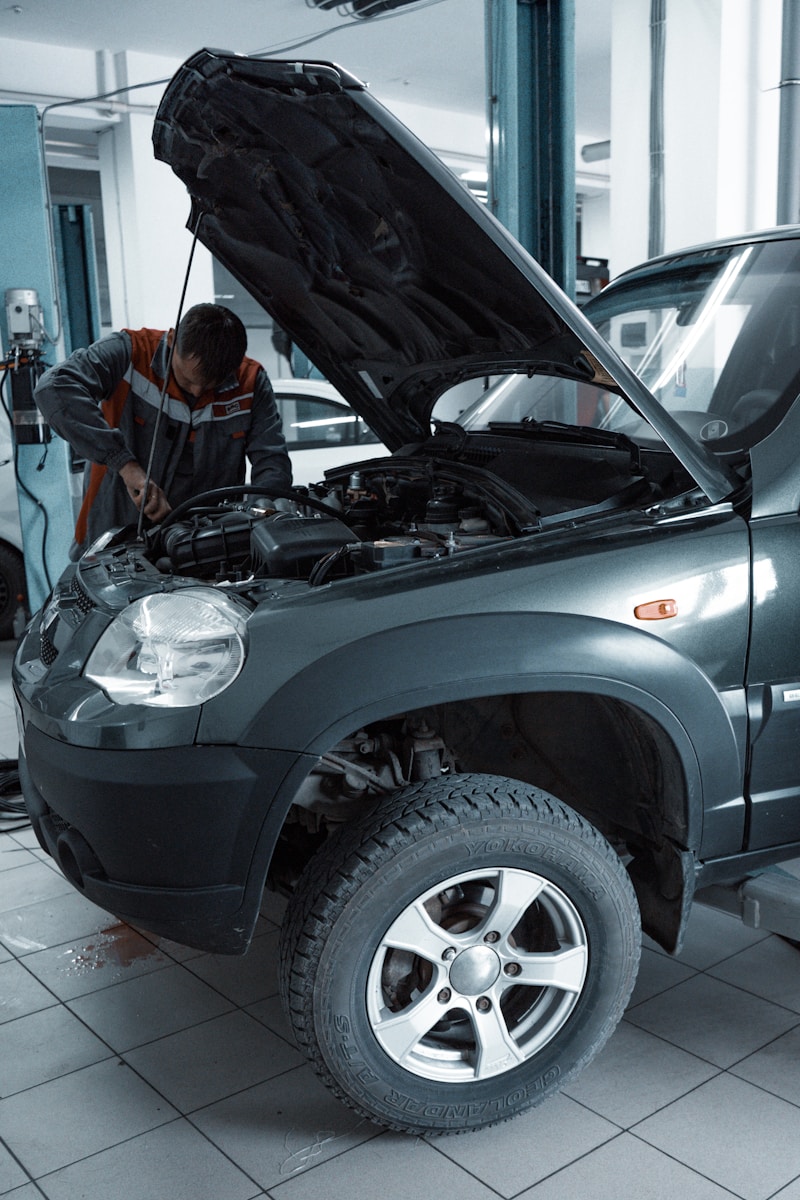
Why Routine Car Maintenance is Essential: Tips from Experts
Owning a car comes with the responsibility of ensuring it runs smoothly and safely. Routine car maintenance is more than just keeping your vehicle in good shape; it’s about protecting your investment, preventing costly repairs, and ensuring your safety on the road. Expert advice consistently highlights the value of regular maintenance to extend the lifespan of your vehicle and maintain its performance.
In this blog, we’ll explore why routine car maintenance is essential and provide actionable tips to help you keep your car in optimal condition.
The Importance of Routine Car Maintenance
1. Improves Vehicle Longevity
Regular maintenance ensures that your car’s critical components, such as the engine, transmission, and brakes, are functioning as intended. Addressing small issues early prevents them from escalating into major problems that could reduce your car’s lifespan.
2. Enhances Safety
Faulty brakes, worn-out tires, or a failing engine can put you and other road users at risk. Regular inspections help identify and resolve safety concerns before they lead to accidents.
3. Reduces Long-Term Costs
Skipping maintenance may save you money in the short term, but it often results in expensive repairs down the line. For instance, ignoring an oil change could lead to engine damage, which is far more costly to fix than regular oil servicing.
4. Maintains Resale Value
A well-maintained car retains its value better than one with a history of neglect. Keeping up with maintenance records can also reassure potential buyers when it’s time to sell your car.
Key Components of Routine Maintenance
1. Engine Oil and Filter Changes
Oil lubricates the engine’s moving parts, reducing wear and tear. Over time, oil becomes contaminated and loses its effectiveness, which can harm your engine. Changing the oil and filter regularly ensures the engine stays clean and efficient.
2. Tire Maintenance
Proper tire care includes checking pressure, rotating tires, and inspecting for wear and tear. Well-maintained tires improve fuel efficiency, handling, and safety.
3. Brake Inspections
Brakes are one of the most critical safety features of your car. Regular brake inspections help identify issues like worn pads or leaking fluid, ensuring your brakes function correctly.
4. Fluid Checks
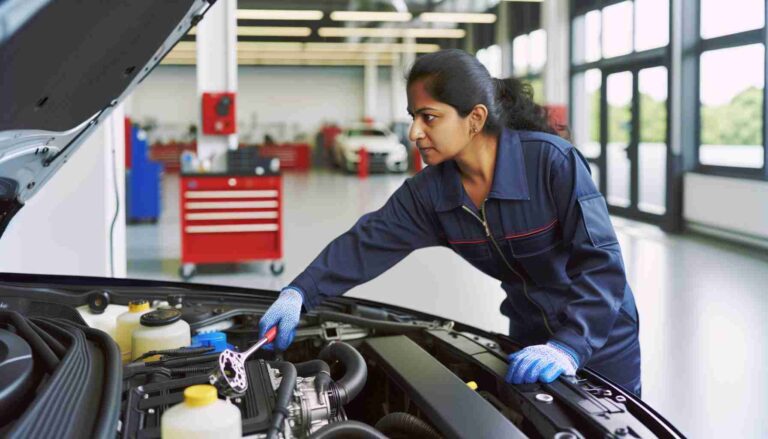
Your car relies on several fluids, including coolant, transmission fluid, and brake fluid, to operate effectively. Checking and topping off these fluids prevents overheating, transmission issues, and brake failure.
5. Battery Maintenance
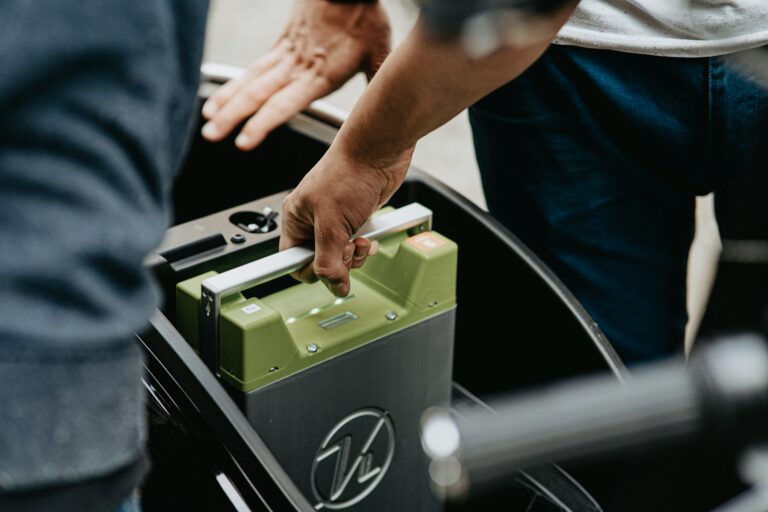
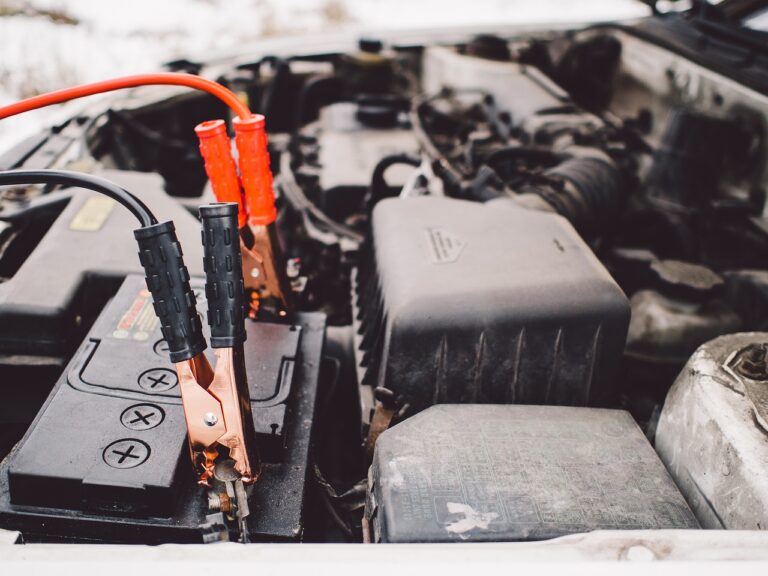
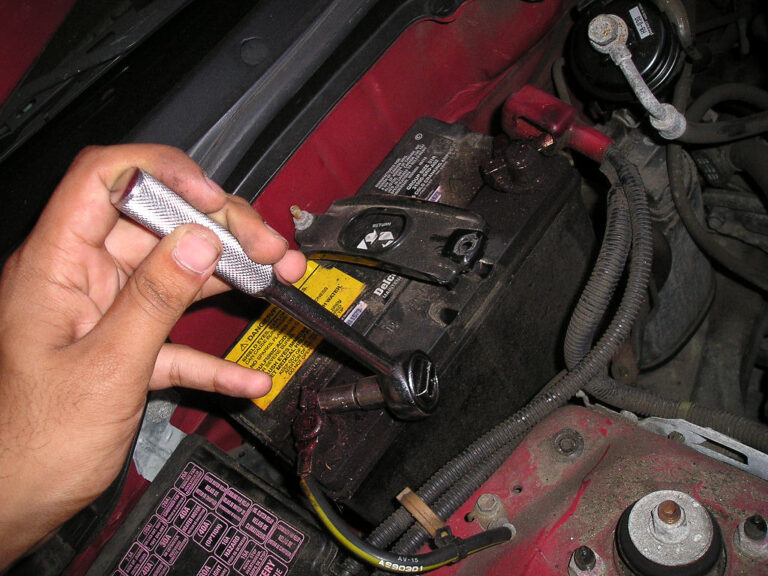
A weak or failing battery can leave you stranded. Regularly check for corrosion on terminals and ensure the battery is securely mounted and fully charged.
Expert Tips for Routine Car Maintenance
1. Follow the Manufacturer’s Schedule
Your car’s manufacturer provides a recommended maintenance schedule in the owner’s manual. Following this schedule ensures timely servicing and helps avoid potential issues.
2. Conduct Monthly Checks
Inspect your car monthly for obvious signs of wear or damage. Check tire pressure, fluid levels, and lights to catch problems early.
3. Use Quality Parts and Fluids
When replacing parts or topping off fluids, always use high-quality products recommended by your car’s manufacturer.
4. Keep Maintenance Records
Maintaining a log of all services and repairs provides a clear history of your car’s upkeep, which is useful for resale or warranty claims.
Regular servicing from trusted automotive repair specialists can ensure your car stays in top condition and avoids unexpected breakdowns
Common Mistakes to Avoid
- Ignoring Warning Lights
Dashboard warning lights are your car’s way of alerting you to issues. Address them promptly to prevent further damage. - Delaying Oil Changes
Skipping oil changes can lead to engine sludge, reducing performance and increasing wear on components. - Neglecting the Battery
A neglected battery can fail without warning. Regularly check its condition and replace it as needed. - Overlooking Tire Care
Driving on underinflated or worn tires reduces fuel efficiency and increases the risk of blowouts.
FAQs About Routine Car Maintenance
Q: How often should I service my car?
Most cars require servicing every 10,000–15,000 km or once a year, but this depends on the manufacturer’s recommendations.
Q: What are the consequences of skipping maintenance?
Neglecting maintenance can lead to costly repairs, reduced fuel efficiency, and safety risks.
Q: Can I perform maintenance myself?
While some tasks, like checking fluids or replacing wiper blades, are DIY-friendly, more complex tasks should be left to professionals.
Q: How can I find a reliable mechanic?
Look for certified professionals with good reviews and ask for recommendations from friends or family.
Conclusion
Routine car maintenance is not just a recommendation—it’s a necessity for ensuring your car’s performance, safety, and longevity. By following expert advice and staying proactive with servicing, you can save money, avoid unexpected breakdowns, and enjoy a smoother driving experience. Whether you’re a seasoned driver or a new car owner, regular maintenance is the key to keeping your vehicle road-ready for years to come.