How Preventative Maintenance Can Save You from Expensive Engine Repairs
Your car’s engine is the powerhouse of your vehicle, and keeping it well-maintained is essential for performance, efficiency, and longevity. Many vehicle owners overlook minor issues that, over time, can lead to major and costly engine failures. Investing time in preventative engine maintenance is far more cost-effective than dealing with breakdowns, replacements, and unplanned visits to the mechanic.
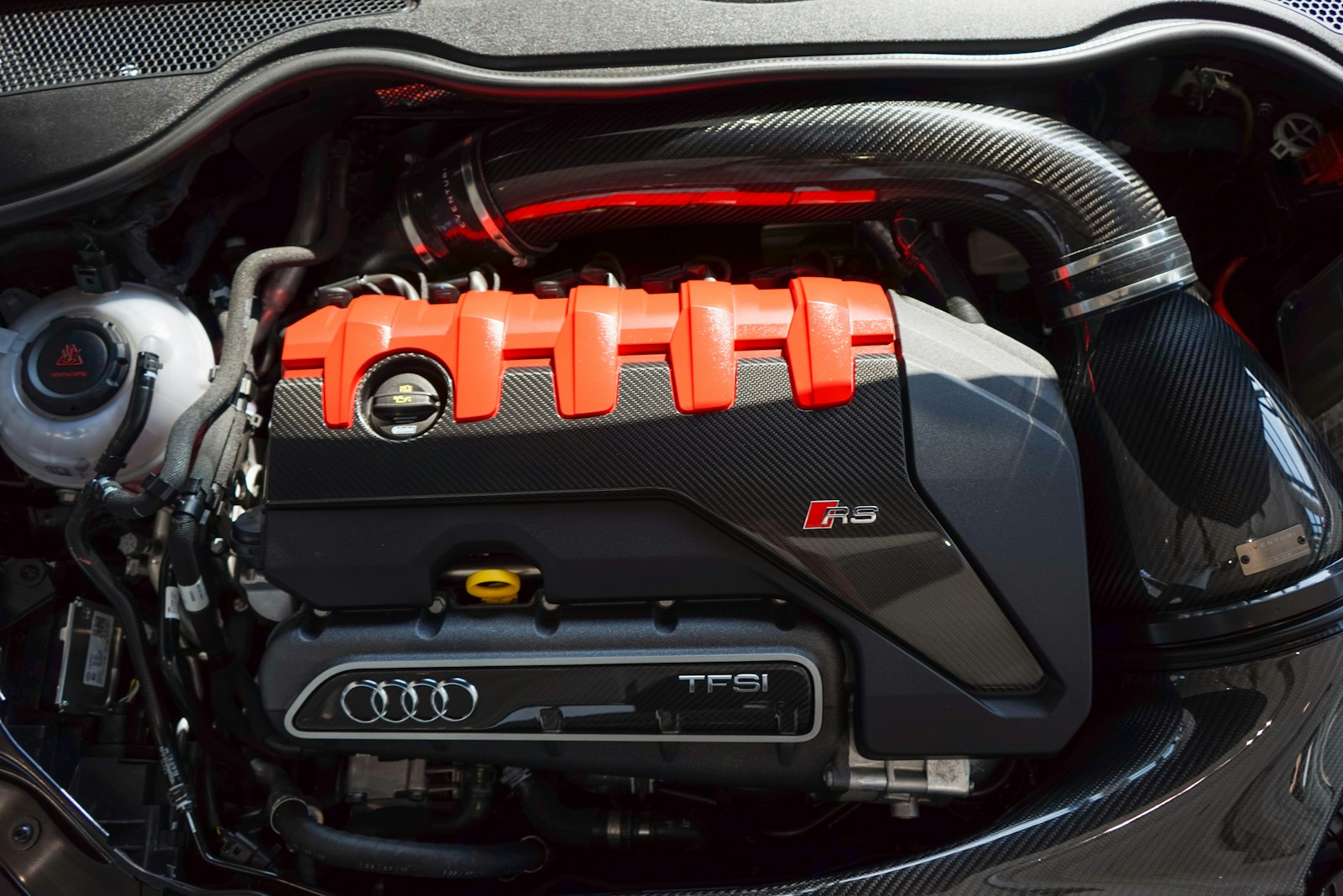
For luxury and high-performance vehicles, following a structured maintenance plan is even more crucial. A professional European auto service can help you maintain optimal performance while avoiding major mechanical issues.
The True Cost of Ignoring Preventative Maintenance
When small engine problems are ignored, they don’t just disappear—they escalate into costly repairs and vehicle downtime. Here’s what can happen:
✅ Engine Overheating – Neglected coolant systems lead to severe overheating, causing head gasket failure and warped engine components.
✅ Oil Leaks & Sludge Build-Up – Skipping oil changes results in sludge formation, which chokes the engine and reduces efficiency.
✅ Transmission Damage – Delayed fluid changes wear down internal components, leading to expensive gearbox repairs.
✅ Timing Belt Failures – If your timing belt snaps while driving, it can cause catastrophic damage to pistons and valves, requiring a full engine rebuild.
Avoiding these issues starts with regular maintenance and keeping an eye out for early warning signs.
Essential Preventative Maintenance Tips for Engine Longevity
1. Follow a Strict Oil Change Schedule
Your engine relies on clean, high-quality oil for lubrication. Old or dirty oil increases friction between components, leading to premature wear and overheating.
- Change your oil and filter every 5,000 to 10,000 km (or as recommended by your manufacturer).
- Use high-performance synthetic oil for turbocharged or high-powered engines.
- Check for leaks under the car—small leaks can lead to major engine failures over time.
Looking for more ways to protect your vehicle’s condition? Explore our cut and polish services to maintain your car’s exterior as well.
2. Monitor Your Cooling System to Prevent Overheating
An overheating engine can cause irreversible damage to the cylinder head, radiator, and gaskets.
✔ Regularly check coolant levels and radiator condition.
✔ Flush the cooling system every 40,000 km to prevent rust and blockages.
✔ Keep an eye out for discoloured coolant, which may indicate a blown head gasket.
Overheating is a preventable issue that can save thousands of dollars in repair costs.
3. Timing Belt & Chain Replacement
The timing belt ensures your engine’s pistons and valves work in perfect sync. If it fails, it can cause a complete engine breakdown.
- Replace your timing belt every 100,000 km or as per your manufacturer’s instructions.
- If your car has a timing chain, listen for rattling noises, which indicate wear.
- Always replace the water pump when changing the timing belt—it’s a low-cost way to prevent further issues.
For European and luxury vehicles, expert brake caliper maintenance is equally essential in keeping your car safe and responsive.
4. Air Filter & Fuel System Maintenance
Engines require clean air and fuel to function efficiently. Over time, air filters get clogged with dirt, restricting airflow and decreasing performance.
✔ Replace your air filter every 15,000 km to keep airflow unrestricted.
✔ Use premium fuel injectors and cleaners to maintain the fuel system’s efficiency.
✔ Watch for misfires and rough idling, which may indicate dirty fuel injectors or spark plugs.
Signs That Your Engine Needs Immediate Attention
Even with routine maintenance, some symptoms may indicate that your car needs professional servicing:
🚨 Check Engine Light Illuminated – Diagnostic testing is needed to identify underlying issues.
🚨 Unusual Noises – Knocking or rattling sounds could mean a failing timing belt or misfiring cylinders.
🚨 Poor Fuel Economy – Sudden drops in mileage indicate inefficiencies in combustion or fuel delivery.
🚨 Slow Acceleration & Power Loss – Often a result of clogged injectors, worn-out spark plugs, or dirty air filters.
FAQs About Preventative Engine Care
1. How often should I get my car serviced?
Most manufacturers recommend servicing every 10,000 to 15,000 km, but European vehicles may have specific requirements.
2. What’s the most expensive engine repair caused by neglect?
Ignoring oil changes can cause total engine failure, which may require a complete engine replacement costing thousands.
3. Does using premium fuel help engine longevity?
Yes, premium fuel reduces carbon build-up, especially in high-performance engines.
4. Can skipping a timing belt change ruin an engine?
Absolutely! A snapped timing belt can cause catastrophic engine damage, leading to a complete overhaul.
5. Is preventative care more affordable than major repairs?
Yes, regular maintenance is significantly cheaper than dealing with blown head gaskets, transmission failures, or engine rebuilds.
Conclusion
Taking care of your vehicle through preventative maintenance is the smartest way to avoid costly engine repairs and extend your car’s lifespan. Oil changes, cooling system maintenance, timing belt replacements, and regular inspections all play a crucial role in ensuring your engine runs smoothly.
Final Thoughts
Preventative engine care is an investment in your vehicle’s longevity and reliability. By following these maintenance strategies, you can drive with confidence, knowing your car is protected from major mechanical failures.
Would you rather spend hundreds on maintenance or thousands on repairs? The choice is yours. Start maintaining your vehicle today!