Why European Cars Require Specialised Maintenance & Care
European cars are known for their superior engineering, luxury, and high-performance capabilities. However, these vehicles also require specialised maintenance and expert servicing to keep them running at peak efficiency. Unlike standard vehicles, European cars have complex electronic systems, precision-tuned engines, and advanced safety features that demand expert knowledge and specialised tools.
Whether you own a BMW, Mercedes-Benz, Audi, Volkswagen, or Porsche, understanding the importance of specialised European car maintenance can help you avoid costly repairs, enhance longevity, and maintain optimal performance.
How European Cars Differ from Standard Vehicles
1. Advanced Engineering & High-Performance Components
European cars are designed for performance, efficiency, and longevity. Their engines use precision-tuned components that require high-quality lubricants, specialised fluids, and routine maintenance to function properly.
Example: Many European cars use turbocharged engines, which operate at higher temperatures and pressures. Using the wrong oil or delaying an oil change can lead to premature engine wear and reduced performance.
🔗 Read More: Why Choosing the Right Automotive Battery Matters
2. Specialised Diagnostic Tools & Software
European vehicles come with complex onboard computer systems that require manufacturer-specific diagnostic tools. Unlike standard cars, which can be scanned with universal OBD2 scanners, European cars require proprietary software for accurate fault detection and system updates.
Example: Brands like BMW and Mercedes-Benz use factory-specific software such as ISTA and STAR Diagnostic to monitor engine performance, transmission health, and electronic components.
3. Unique Parts & Specialised Fluids
European cars often require OEM (Original Equipment Manufacturer) parts and specialised fluids that differ from those used in standard vehicles. Using aftermarket parts or incorrect fluids can cause damage, reduced efficiency, and void warranties.
Example: Volkswagen and Audi use DSG transmissions, which require specialised transmission fluid and specific servicing intervals to prevent premature failure.
🔗 Read More: How High-Quality Batteries Improve Vehicle Efficiency
Common Maintenance Challenges for European Vehicles
1. More Frequent Oil Changes
European cars require more frequent oil changes compared to standard vehicles because of their high-performance engines and turbocharged technology.
Solution: Always use manufacturer-approved synthetic oil and follow recommended service intervals.
2. Brake System Sensitivity
European cars come with high-performance braking systems that use advanced materials such as ceramic and semi-metallic pads. While these offer superior stopping power, they wear out faster and generate more brake dust.
Solution: Regularly inspect brake pads and rotors and use OEM-approved brake fluid to maintain performance.
3. Electrical System Complexity
Luxury European vehicles integrate advanced electrical systems that control safety features, engine management, and infotainment. Electrical faults can cause warning lights, reduced performance, or complete system shutdowns.
Solution: Work with a specialised European car service centre that has manufacturer-certified diagnostic tools to resolve electrical issues efficiently.
🔗 Read More: Essential Maintenance Tips to Prolong Car Lifespan
Why You Need a Specialised European Car Mechanic
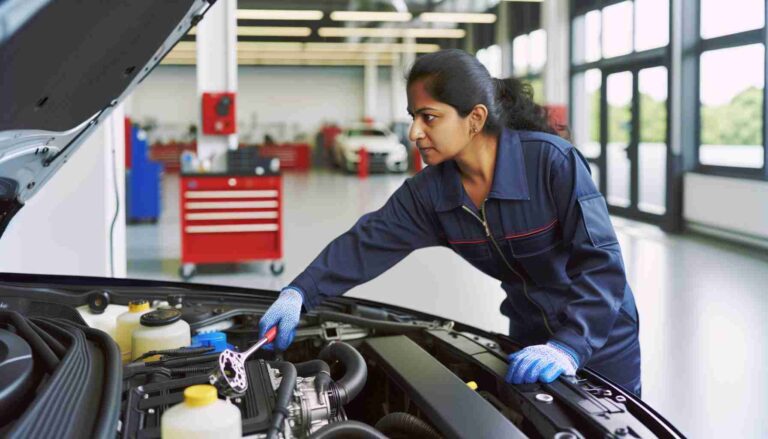
Not all mechanics have the tools, knowledge, or experience to handle European cars. Visiting a certified European car specialist ensures:
- Correct diagnostic procedures with manufacturer-approved software.
- Use of OEM parts to maintain vehicle integrity.
- Expert handling of turbocharged engines and high-performance transmissions.
- Proper calibration of advanced electronic and safety systems.
A trusted euro auto repair specialist can help prevent breakdowns, enhance performance, and extend the lifespan of your European vehicle.
Final Thoughts
European cars are built for performance, luxury, and precision, but they require specialised maintenance to function at their best. From advanced diagnostic systems to high-performance engines, these vehicles need expert care and high-quality servicing to prevent expensive repairs and ensure long-term reliability.
Whether it’s routine maintenance, electrical diagnostics, or complex engine repairs, working with a certified European car service centre ensures your vehicle gets the expert care it deserves.
FAQs
Why do European cars need specialised maintenance?
European cars have advanced engineering, complex electrical systems, and high-performance components that require specialist diagnostic tools and manufacturer-approved servicing.
How often should I service my European car?
Most European cars should be serviced every 10,000 to 15,000 km, but turbocharged models may require more frequent maintenance.
Can I use regular motor oil in a European car?
No, European cars require specific synthetic oils that meet manufacturer specifications to maintain engine efficiency and longevity.
Is it more expensive to maintain a European car?
Yes, but working with a certified European car mechanic ensures long-term savings by preventing expensive repairs and optimising performance.
Ensure your European car gets the expert care it needs—schedule your service today!