
Why Your Car Battery’s Lifespan Matters
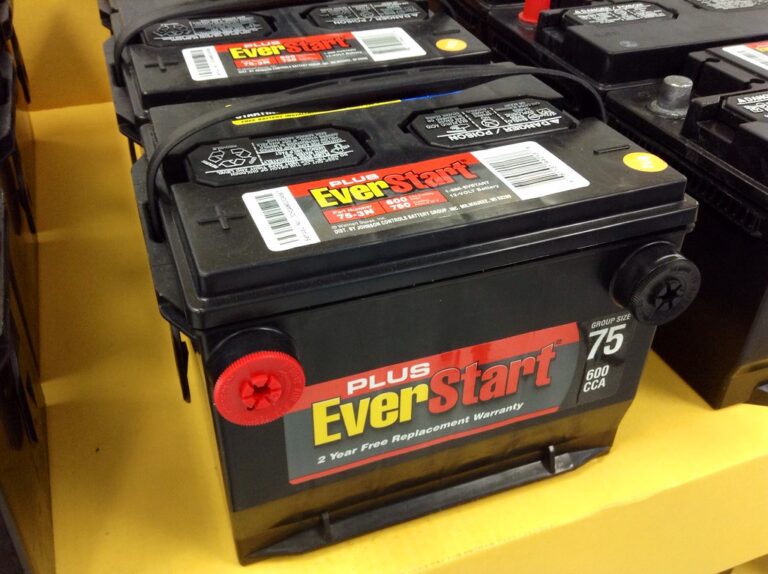
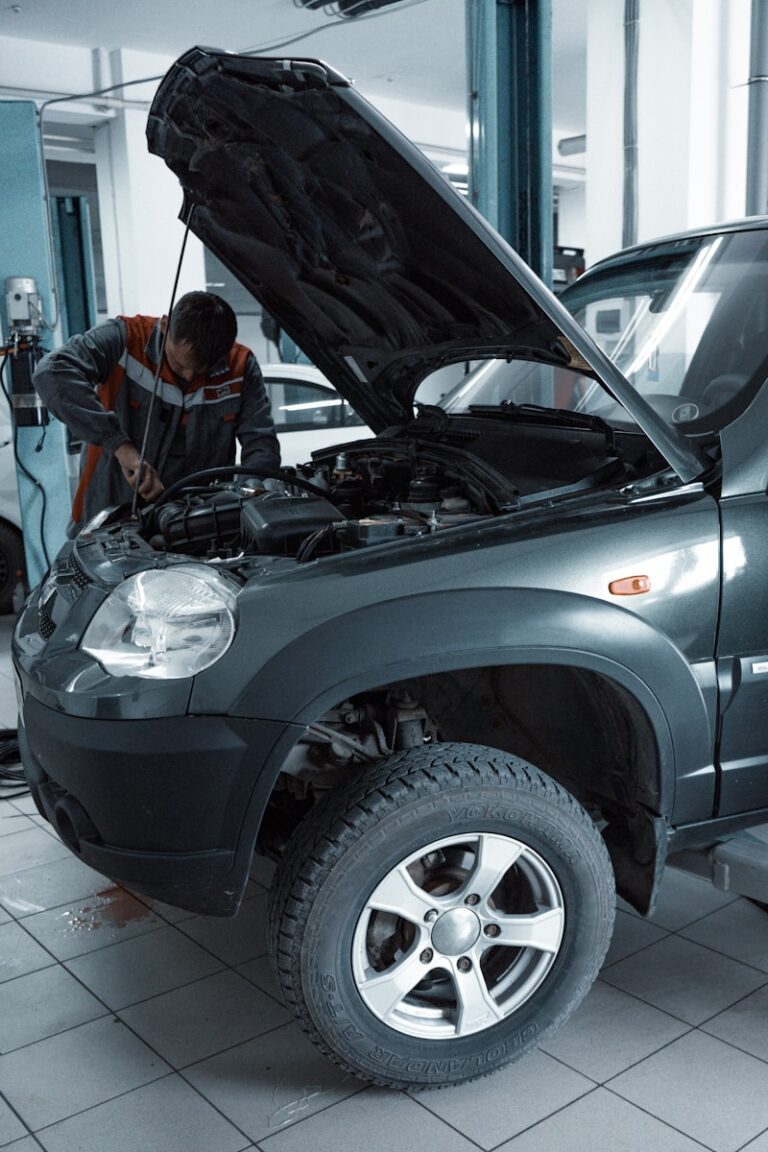
Your car’s battery is essential for starting the engine, powering electrical components, and ensuring a smooth ride. However, many drivers experience battery failures sooner than expected due to improper maintenance, extreme weather conditions, or excessive strain on the electrical system.
A well-maintained battery can last three to five years, but neglect can lead to early failure, unexpected breakdowns, and costly replacements. In this guide, we’ll explore practical steps to extend the lifespan of your car battery and keep your vehicle running efficiently.
How Long Do Car Batteries Last?
The average lifespan of a car battery depends on several factors:
- Battery Type – Traditional lead-acid batteries typically last 3-5 years, while lithium batteries can last much longer.
- Driving Habits – Frequent short trips don’t allow the battery to recharge fully, leading to faster wear.
- Climate Conditions – Extreme heat accelerates fluid evaporation, while cold weather reduces battery efficiency.
- Charging System Health – A faulty alternator can undercharge or overcharge the battery, shortening its lifespan.
🔗 Read More: Common Signs Your Car Battery Needs Replacement
Essential Tips to Extend Your Car Battery’s Lifespan
1. Keep Your Battery Terminals Clean
Over time, corrosion builds up on battery terminals, preventing a strong connection and reducing charging efficiency.
- Regularly inspect and clean battery terminals using a mixture of baking soda and water to remove corrosion buildup.
- Apply a thin layer of petroleum jelly to prevent further corrosion.
2. Avoid Short Trips
Frequent short drives prevent the alternator from fully recharging the battery, leading to premature failure.
Take longer trips whenever possible to allow the battery to charge properly.
If you drive infrequently, consider using a battery maintainer to keep the charge level stable.
🔗 Read More: How to Solve Common Engine Problems
3. Monitor Your Battery’s Voltage
A healthy car battery should maintain 12.6V when the car is off and 13.7-14.7V when running.
✅ Use a multimeter to check your battery voltage every few months.
✅ If the reading is consistently low, your battery may need replacement or further inspection.
4. Protect Your Battery from Extreme Temperatures
Both hot and cold weather can significantly impact battery life.
In hot weather:
- Park in the shade or in a garage to prevent overheating.
- Check battery fluid levels regularly, as heat accelerates evaporation.
In cold weather:
- Keep your battery fully charged to prevent freezing issues.
- Use a battery blanket if you live in extremely cold climates.
🔗 Read More: Battery or Engine Problems? How to Identify and Solve Them
5. Secure Your Battery Properly
A loose battery vibrates while driving, which can damage internal components and shorten its lifespan.
✅ Regularly inspect your battery’s mounting bracket to ensure it’s secured tightly.
✅ Avoid driving with a damaged or unstable battery mount.
6. Turn Off Accessories When the Engine is Off
Leaving the headlights, radio, or air conditioning on while the engine is off can drain the battery quickly.
✅ Always turn off electrical accessories before shutting off the engine.
✅ Avoid idling for long periods with multiple accessories running.
🔗 Read More: Preventative Care to Avoid Engine Repairs
When to Upgrade Your Car Battery
If your battery is reaching the end of its lifespan or struggling to hold a charge, consider upgrading to a more efficient and long-lasting option.
A battery lithium 12V is an excellent choice because it:
- Provides a longer lifespan than traditional lead-acid batteries.
- Maintains stable voltage for improved engine performance.
- Recharges faster and delivers consistent power output.
Investing in a high-quality battery ensures reliable starts, better efficiency, and longer-lasting performance.
Final Thoughts
Your car battery’s lifespan depends on proper maintenance and smart driving habits. Regularly cleaning the terminals, avoiding short trips, and monitoring voltage levels can prevent premature failure and save you from unexpected breakdowns.
Taking care of your battery today will ensure a smoother, more reliable driving experience for years to come.
FAQs
How often should I replace my car battery?
Most lead-acid batteries last 3-5 years, while lithium batteries can last much longer with proper care.
What is the best way to clean car battery terminals?
A mixture of baking soda and water can help remove corrosion. Use a wire brush to clean the terminals before applying petroleum jelly to prevent future buildup.
Can a weak battery affect engine performance?
Yes, a weak battery can cause slow starts, misfires, and voltage instability, which can impact overall engine efficiency.
Is it worth upgrading to a lithium car battery?
Absolutely. Lithium batteries last longer, charge faster, and provide better voltage stability, making them a smart investment for vehicle reliability.