Why a Healthy Battery is Essential for Engine Performance
When people talk about engine performance, they often focus on fuel quality, oil changes, and air filters. However, one of the most overlooked components affecting your engine’s efficiency is the battery.
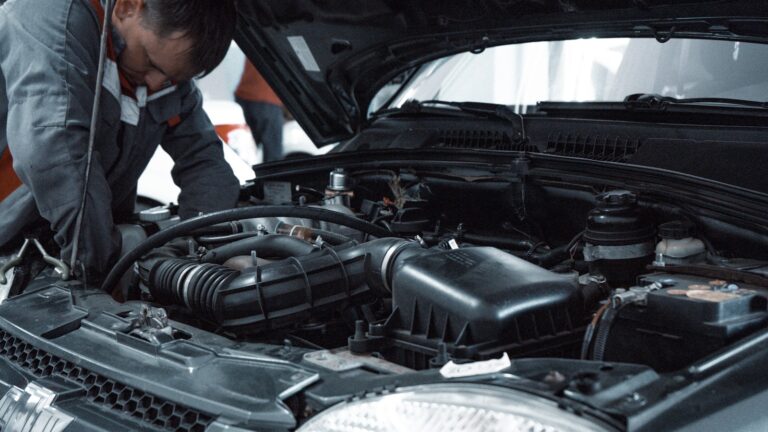
Your car’s battery doesn’t just start the engine—it also supplies power to the ignition system, fuel injectors, sensors, and onboard electronics. A weak battery forces the alternator to work harder, affecting overall engine power and fuel consumption.
If you’re experiencing sluggish acceleration, rough idling, or increased fuel usage, your battery might be the hidden culprit. Let’s explore how battery health directly affects engine performance and how you can avoid costly repairs.
How a Weak Battery Affects Your Engine
A failing battery can cause multiple engine issues, including:
1. Slow Engine Cranking & Hard Starts
A weak battery delivers insufficient voltage to the starter motor, making it difficult to crank the engine. If your car struggles to start, especially in cold weather, it’s a sign your battery is losing power.
🔗 Related: How to Choose the Right Car Battery
2. Increased Fuel Consumption
A weak battery forces the alternator to compensate for lost power, causing the engine to work harder. This additional strain leads to higher fuel consumption.
🔗 Related: High-Quality Batteries & Vehicle Efficiency
3. Engine Misfires & Rough Idling
Modern engines rely on a stable electrical supply to power fuel injectors and ignition coils. If your battery delivers inconsistent voltage, your engine may misfire or idle roughly.
4. Unstable Performance of Sensors & ECU
Most modern vehicles have an Engine Control Unit (ECU) that regulates fuel mixture, timing, and emissions. A weak battery can cause voltage fluctuations, leading to erratic engine performance.
5. Alternator Overload & Premature Wear
When your battery weakens, the alternator works harder to compensate for power loss. This can lead to premature alternator failure, leaving you with expensive repairs.
🔗 Related: Essential Maintenance Tips to Prolong Car Lifespan
Signs That Your Battery Needs Replacement
🚗 Watch for These Warning Signs:
✅ Slow engine crank or clicking sounds when turning the key
✅ Dim headlights & flickering dashboard lights
✅ Battery warning light on the dashboard
✅ Frequent jump-starts needed
✅ Corroded battery terminals or bloated battery case
If you notice any of these warning signs, it’s time for a battery test or replacement.
Choosing the Right Battery for Better Engine Performance
To keep your engine running efficiently, you need a high-performance battery that provides consistent power delivery.
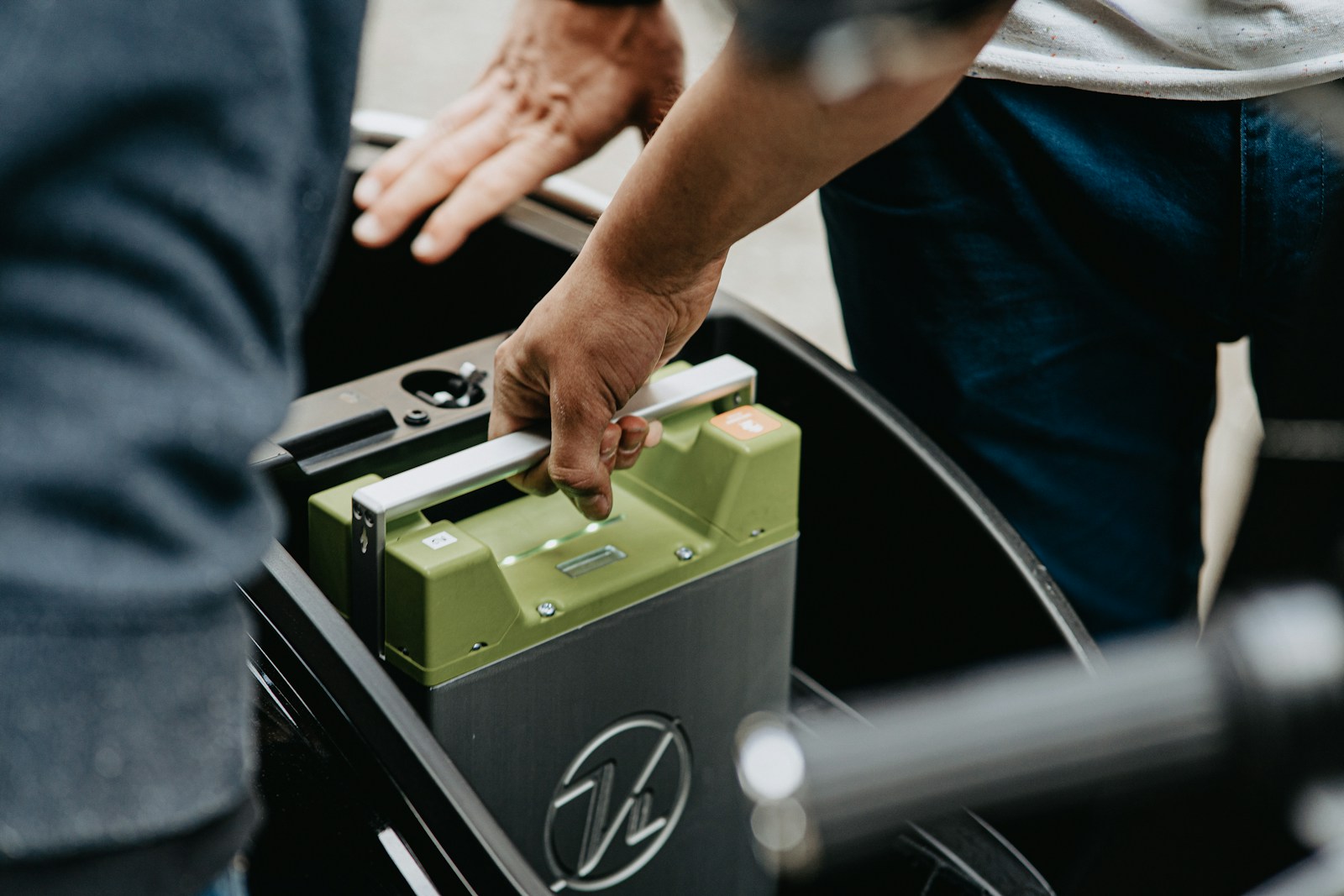
One of the best battery types for modern vehicles is a deep cycle lithium battery. Unlike traditional lead-acid batteries, lithium batteries:
✅ Deliver stable voltage to improve ignition performance
✅ Have a longer lifespan and require less maintenance
✅ Charge faster and prevent alternator overload
✅ Are lightweight and improve fuel efficiency
By upgrading to a reliable, high-performance battery, you reduce the risk of engine misfires, fuel wastage, and electrical malfunctions.
How to Maintain a Healthy Battery for Optimal Engine Performance
🔋 Follow These Battery Maintenance Tips:
✅ Check Battery Voltage Regularly – A healthy battery should read 12.6V when the car is off and 13.7-14.7V when running.
✅ Clean Battery Terminals – Corrosion around battery terminals disrupts electrical flow.
✅ Drive Your Car Regularly – Short trips can drain the battery without allowing it to recharge.
✅ Turn Off Accessories When the Engine is Off – Running the AC, lights, or stereo while parked drains battery power.
✅ Use a Battery Charger for Long-Term Storage – If your car sits unused for weeks, use a trickle charger to prevent battery drain.
🔗 Related: Preventative Care to Avoid Engine Repairs
FAQs
1. How often should I replace my car battery?
Most batteries last 3-5 years, but regular maintenance can extend their lifespan.
2. Can a weak battery cause poor fuel economy?
Yes! A weak battery forces the alternator to work harder, which increases engine load and fuel consumption.
3. What’s the best type of battery for a high-performance engine?
Deep cycle lithium batteries are ideal for consistent voltage delivery, longer lifespan, and improved engine efficiency.
4. How do I know if my battery is failing?
Common signs include slow engine cranking, dim headlights, battery warning lights, and frequent jump-starts.
🚗 Ensure optimal engine performance—upgrade your battery today!
Final Thoughts
By choosing the right battery and following proper maintenance, you ensure smooth engine performance, better fuel economy, and long-term vehicle reliability.
Your car’s engine performance relies on a healthy battery. A weak or failing battery can cause starting issues, misfires, fuel inefficiency, and alternator overload.