The Impact of Extreme Weather on Car Battery Performance
Your car’s battery plays a crucial role in keeping the engine running smoothly, powering the starter motor, ignition system, and onboard electronics. However, extreme weather conditions—both hot and cold—can significantly affect battery performance and longevity.
High temperatures can accelerate battery wear, causing electrolyte evaporation and overcharging, while freezing conditions slow down chemical reactions, making it harder for the battery to generate power. Understanding how different weather conditions impact battery life can help you avoid unexpected breakdowns and costly replacements.
How Hot Weather Affects Your Car Battery
Increased Battery Wear Due to Heat
During summer, intense heat speeds up the chemical reactions inside the battery, leading to a shorter lifespan. Over time, this increased activity corrodes internal components and reduces charge capacity.
Fluid Evaporation Weakens Performance
Traditional lead-acid batteries rely on a precise balance of electrolytes. In extreme heat, the liquid inside the battery evaporates faster, causing weaker charge retention and potential failure.
Risk of Overcharging
High temperatures force the alternator to work harder, sometimes leading to overcharging. An overcharged battery can overheat, swell, or leak, causing serious damage.
How to Protect Your Battery in Hot Weather
- Park in shaded or covered areas.
- Regularly check battery fluid levels.
- Clean battery terminals to maintain a strong connection.
🔗 Read More: How to Solve Common Engine Problems
How Cold Weather Affects Your Car Battery
Reduced Battery Efficiency in Freezing Conditions
Cold weather slows down the battery’s chemical reactions, reducing its ability to generate power. A battery that functions well in warm weather may struggle to start the engine in freezing temperatures.
Increased Power Demand in Winter
Winter conditions put extra strain on the battery, as vehicles require more power for heated seats, defrosters, and headlights. This additional demand drains the battery faster.
Cold Cranking Amps (CCA) Are Critical
A battery’s Cold Cranking Amps (CCA) rating determines its efficiency in cold weather. If your battery has a low CCA rating, it may struggle to start the engine on freezing mornings.
How to Protect Your Battery in Cold Weather
- Use a battery blanket or insulation.
- Ensure your battery’s Cold Cranking Amps (CCA) rating meets winter conditions.
- Keep your battery fully charged during colder months.
Signs That Your Battery is Struggling Due to Extreme Weather
- Slow engine cranking or delayed starts
- Dim headlights or flickering dashboard lights
- Battery warning light on the dashboard
- Swollen battery case due to overheating
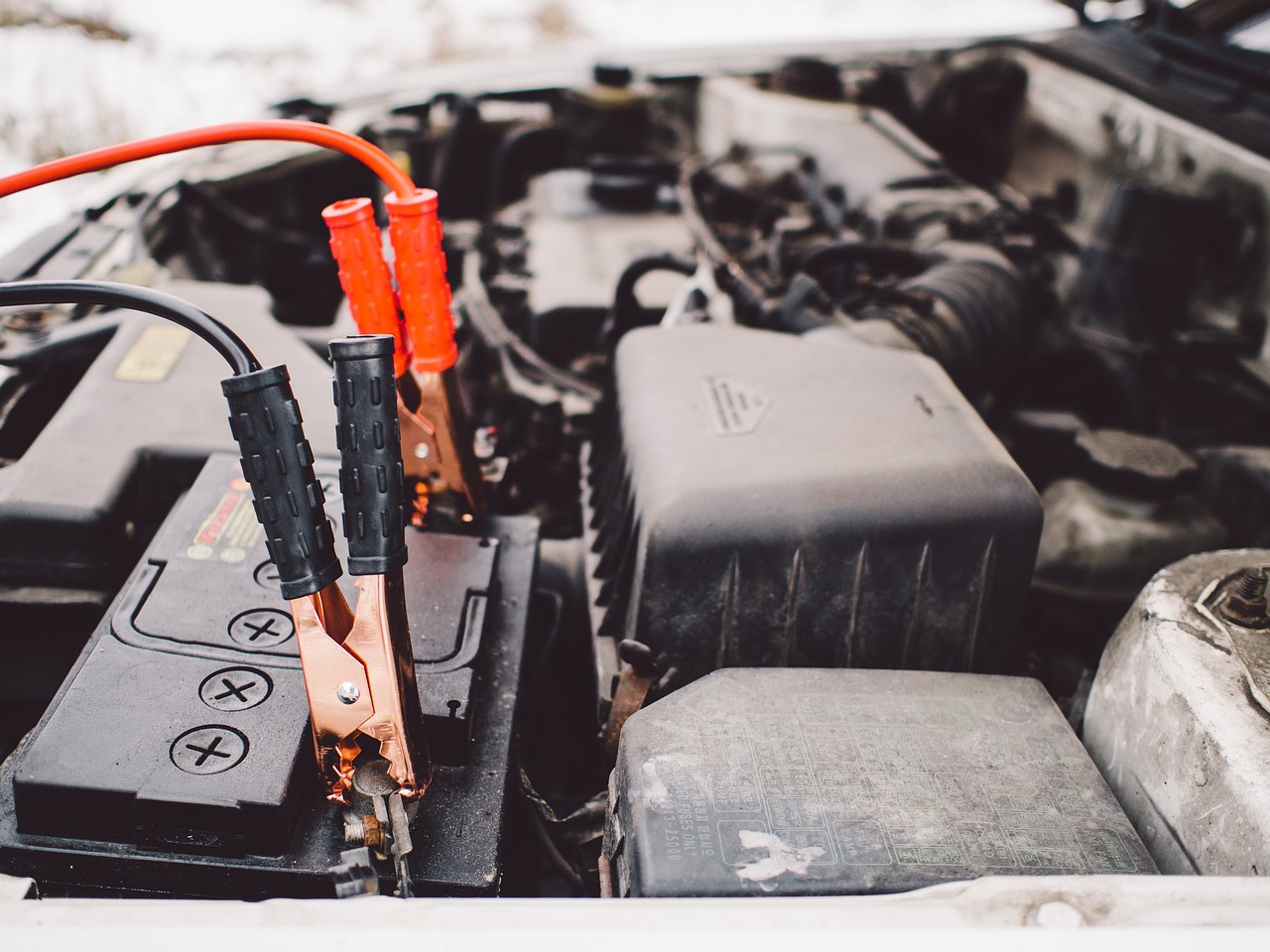
- Frequent jump-starts required
If you notice any of these signs, your battery may need immediate testing or replacement.
Choosing the Right Battery for All Weather Conditions
If your battery struggles in extreme temperatures, upgrading to a high-performance battery can significantly improve reliability and longevity.
A golf cart batteries provide consistent power, ensuring better performance in both hot and cold weather conditions.
Investing in a quality battery solution ensures your car starts without hesitation and performs optimally throughout the year.
Final Thoughts
Extreme weather conditions can have a major impact on car battery performance. While hot temperatures accelerate wear and cause fluid evaporation, cold weather slows down chemical reactions and increases power demand.
By following preventative maintenance tips and upgrading to the right battery technology, you can avoid unexpected failures and keep your engine running efficiently.
Upgrading to a golf cart batteries is one of the best ways to extend battery life and improve vehicle reliability, no matter the climate.
FAQs
How does hot weather affect a car battery?
High temperatures increase fluid evaporation, speed up battery wear, and may cause overcharging, leading to premature failure.
Why do car batteries fail in winter?
Cold weather slows down chemical reactions inside the battery, reducing power output and making it harder to start the engine.
What type of battery is best for extreme weather conditions?
AGM and lithium batteries offer better resistance to temperature fluctuations, ensuring longer battery life and consistent performance.
How often should I check my battery in extreme weather?
It’s best to test your battery every few months, especially before summer and winter, to ensure it is maintaining proper charge levels.